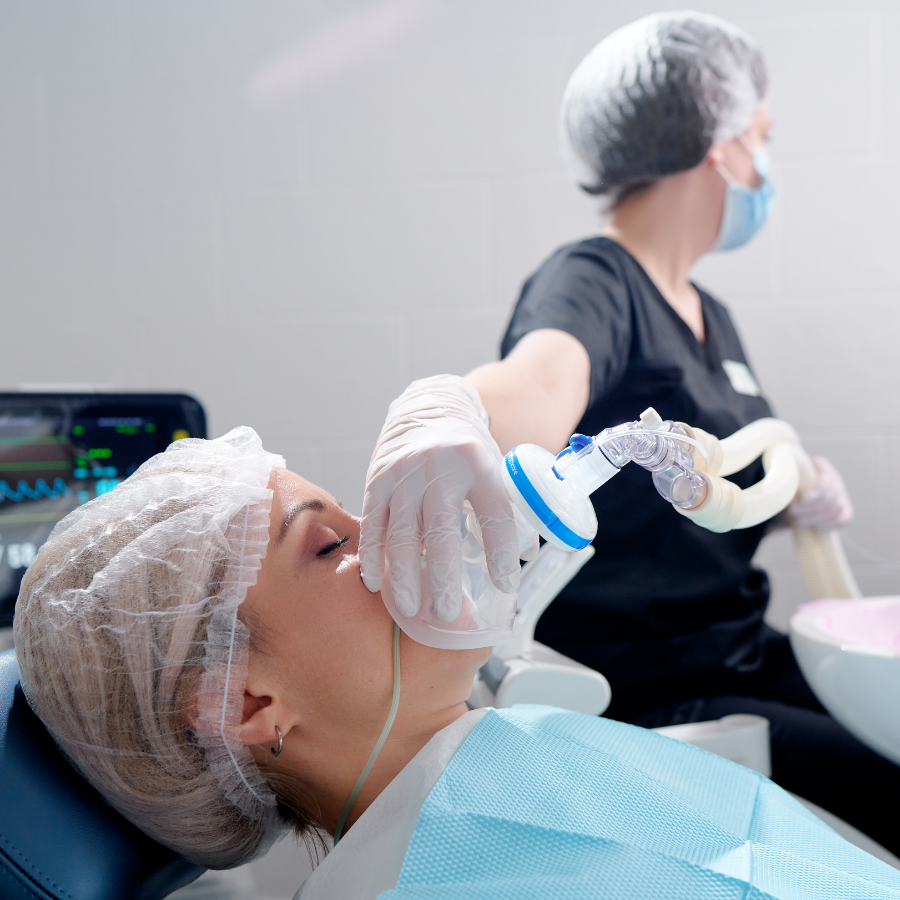
Sleep dentistry now available
For patiens who prefer to be fully asleep we do offer treatment under general anesthetic.
Please contact our friendly team to discuss this option


Wisdom teeth removal doesn’t need to be stressful or expensive. Skip the hospital referral and receive safe, comfortable treatment right here in our clinics, with clear, fixed pricing and no surprise costs.
Our experienced dentists remove wisdom teeth in-chair using gentle techniques designed to reduce pain, swelling and downtime.
Quick, safe and completed in one appointment.
Receive high-quality care from experienced dentists at a fixed, upfront price.
Get everything done in one smooth visit.
Includes complimentary nitrous oxide (happy gas) for added comfort.
A clear breakdown of what each type involves and what it means for your treatment.
| Type of Extraction | What It Means | When It’s Needed | What It Involves | Cost Implications | Available In-Chair at Fix Dental? |
|---|---|---|---|---|---|
| Simple Extraction | The wisdom tooth has fully erupted above the gum line. | Tooth is visible, straight, and easy to access. | Loosening the tooth and removing it without cutting gum or bone. | Lower cost because the procedure is quicker and less complex. | Yes — fully available in-chair. |
| Surgical Extraction | The tooth is partially erupted, impacted, or stuck in the bone or gum. | Tooth is angled, trapped, painful, or causing infection or crowding. | Minor surgery to lift soft tissue or bone, section the tooth, and remove it safely. | Higher cost due to added time, materials, and surgical technique. | Yes — most cases done in-chair. Complex cases may need referral. |
We offer a free consultation if you’ve had a recent full-mouth X-ray. If you don’t have one, we can take an OPG X-ray in-clinic for just $80.
This scan is important because it shows the full picture of your wisdom teeth, including their position, root shape, angle, and how close they are to major nerves and sinuses.
An OPG allows us to plan a safe, predictable removal and helps us determine whether a simple or surgical extraction is required.
During your consultation, we will:
Get treated sooner with appointments available at Chermside and Mount Gravatt. No hospital referral, no waitlists, no delays.
Avoid the thousands in extra costs that come with hospital-based treatment. Receive safe, effective care in the dental chair and save significantly.
Your assessment, X-rays and extraction happen in one place. Our dentists have extensive experience in comfortable wisdom tooth removal and use gentle techniques to support a smoother recovery.
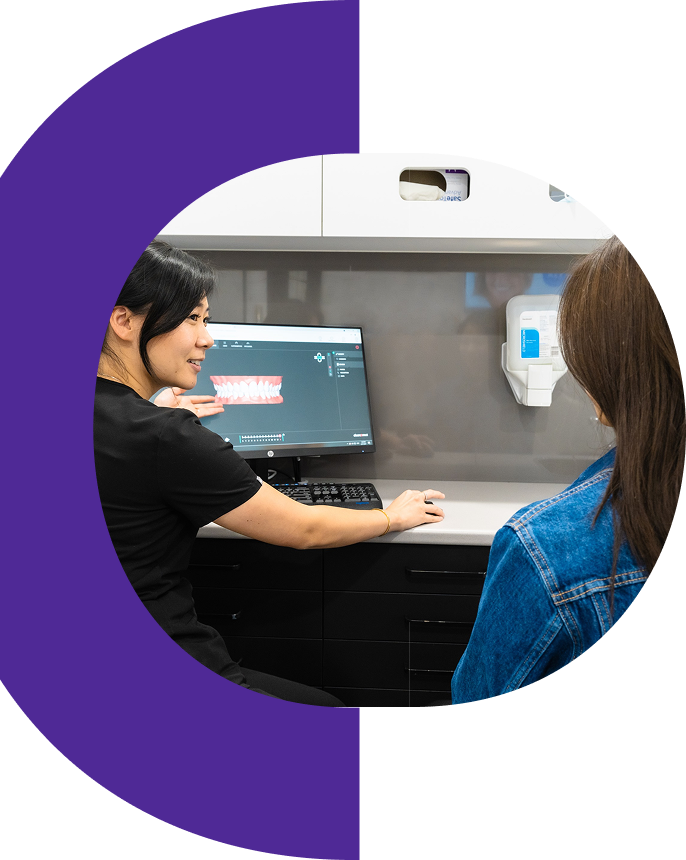
Some wisdom teeth can remain if they’re healthy and painless, but many cause avoidable issues. Removal is often recommended when you experience:
If you’re unsure, a simple consultation provides clarity.
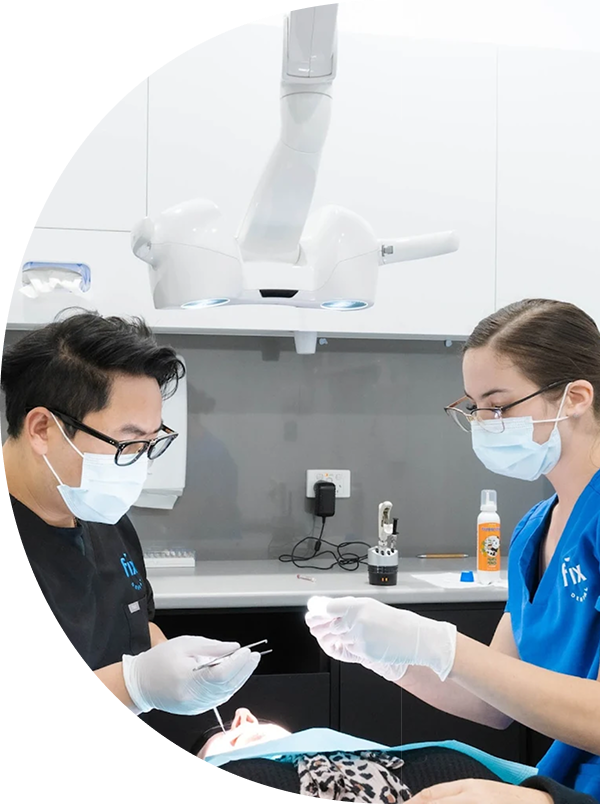
On the day of your wisdom tooth removal, your entire appointment typically takes around 45 to 90 minutes, depending on how many teeth are being removed.
You’ll receive local anaesthetic to keep you completely numb, with the option of nitrous oxide or general anaesthetic if you prefer extra support. You may feel some pressure during the procedure, but you should not feel pain at any stage.
In most cases, dissolvable stitches are placed to help the area heal quickly and reduce bleeding. Minor bleeding is normal for the first few hours, and we will give you clear instructions on how to manage this safely.
If you choose general anaesthetic, you will need someone to drive you home, but for local anaesthetic or nitrous oxide, you can usually leave on your own once you feel ready.
Most patients return to normal function within a few days when following their aftercare plan. You’ll receive personalised written instructions, including:
We’re always here if you need help during your recovery.
We know removing wisdom teeth isn’t always planned. That’s why we offer flexible payment options to help you access expert care without the financial burden.
Skip the stress of a big bill. Our interest-free payment plans let you spread the cost with easy weekly or fortnightly repayments at just a small setup fee.

Join our membership program and receive exclusive discounts, free dental services, and so much more! Sign up today.
Wisdom teeth, also known as third molars, usually start to appear between the ages of 17 and 25. Most people develop four wisdom teeth (two upper and two lower), but some may have fewer, or none at all.
It is very common that patients will eventually need at least one wisdom tooth removed to avoid future issues like overcrowding, impaction, or infection.
That’s why we recommend a wisdom teeth evaluation between the ages of 15 and 19, especially if you’re experiencing jaw pain, swelling, or pressure behind your back teeth. Catching problems early makes wisdom teeth removal simpler, faster, and more comfortable.
No. Not all wisdom teeth require removal. If your wisdom teeth are healthy, fully erupted, and positioned correctly with enough room, they may not cause any problems. However, regular check-ups and X-rays can help determine whether they could lead to future dental problems.
If a problematic or impacted wisdom tooth is left untreated, it can cause pain, impaction, decay, and overcrowding of the adjacent teeth. In some cases, a cyst or infection can develop. Early removal helps reduce your overall risk of these complications. Early removal also leads to a simpler surgical procedure and faster recovery times.
Yes, if you would prefer to be asleep for the surgery we can organise general anaesthetic for you. However, a lot of wisdom teeth removals at Fix Dental are performed under local anaesthetic in the dental chair. During your consultation, we can discuss all options available to you and provide a few strategies to help minimise any dental anxiety.
There is no upper age limit, but early wisdom teeth extraction in your late teens or early twenties generally leads to quicker recovery and fewer complications. As you age, the roots become more developed, and the procedure can become more complicated.
We accept all major health funds and can help you understand your coverage to check if this treatment is covered in your insurance. We also offer interest free payment plans to make teeth removal more affordable, whether you have insurance or not.
Most people recover from wisdom tooth removal faster than they expect. You can usually return to normal speaking and light activities within a day, and most patients are comfortable eating soft foods and resuming everyday routines within 3 to 5 days. Mild swelling or tenderness is normal in the first week and gradually settles.
The gums continue healing beneath the surface for a couple of weeks, and it is important to follow your aftercare instructions during this time to avoid complications such as dry socket or infection. Your dentist will let you know when you can return to a full diet, resume exercise and expect your mouth to feel completely normal again.